.avif)
.avif)

.png)

Content
Best Places to Go in September 2026: 12 Reasons It's the Best Month to Travel
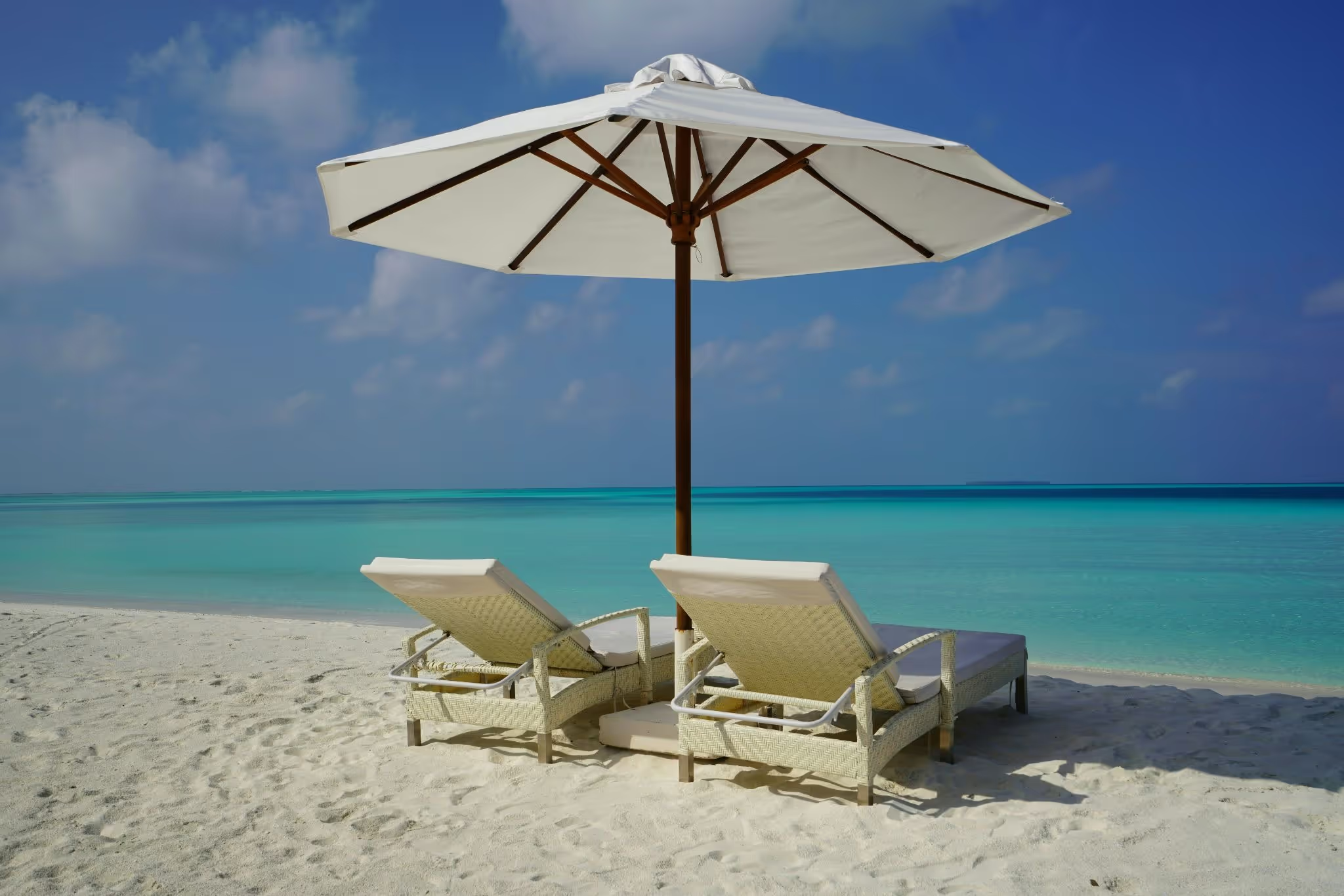

Most people book holidays in August and end up spending half the trip searching for an empty sunbed.
September is when travel becomes easier and more enjoyable. Schools reopen across Europe and North America in late August, and within days, the crowds begin to disappear. Restaurants suddenly have free tables, beaches feel quieter, and popular attractions become easier to enjoy.
The price difference is huge, too. According to Which, based on ONS data going back to 2017, flights in August 2024 cost an average of 77% more than flights in September. On some popular European routes, August prices were more than double. Hopper found similar trends, with travellers saving an average of 40% on airfare, or around $150 per ticket, simply by travelling in September or October instead of peak summer.
The best part is that the weather still feels like summer. The Mediterranean Sea reaches its warmest temperatures in September, around 26–28°C in the eastern Mediterranean, which is even warmer than in June. In Kenya’s Masai Mara, the wildebeest migration is still happening. Oktoberfest opens in Munich on September 19. Portugal begins its grape harvest season, and Japan starts to see its first autumn colours.
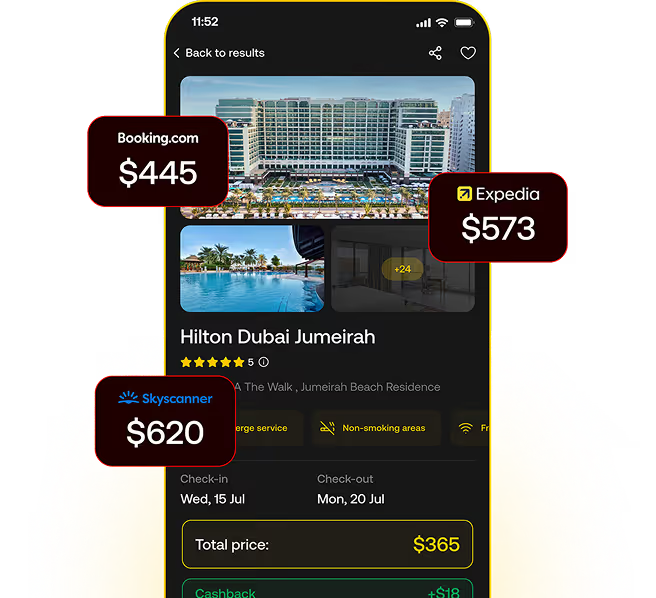
The 12 destinations below are not just good in September. This is the month when they are at their absolute best. And if you're ready to book, CoinBooking lets you book hotels and flights across all 12 at up to 30% less than the major booking sites.
Why September is the Smartest Month to Travel
Once schools reopen across Europe and North America in late August, many popular destinations become much quieter almost immediately. The beaches are the same, the city squares are the same, and the famous viewpoints are still there, but without the huge summer crowds. Flights and hotels also become cheaper, with prices usually dropping 20 - 35% compared to the August peak season.
The weather stays excellent, too. The Mediterranean Sea reaches its warmest temperatures in September, around 26 - 28°C in many places. The sunlight also changes, with softer golden evening light that makes beaches, cities, and countryside look even more beautiful.
September is also packed with seasonal experiences around the world. Harvest season begins across Portugal, Spain, France, and Italy. The wildebeest migration is still active in Kenya’s Masai Mara. And on September 19, Oktoberfest 2026 officially starts in Munich.
September is not just a quieter travel month. For many destinations, it is the best month of the entire year.
1. Greek Islands
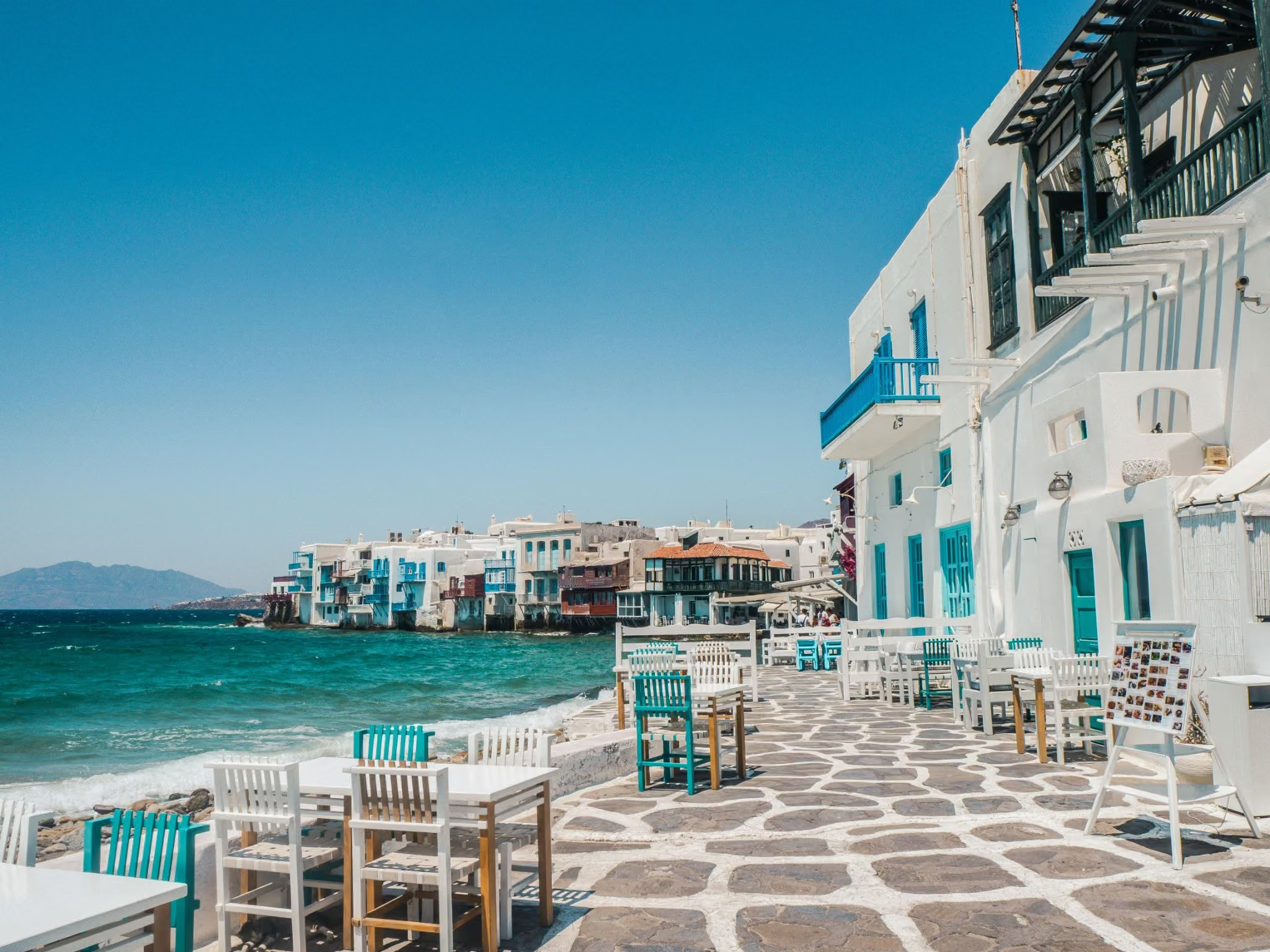
The last week of August is when school holidays, across most of Europe, end. By the second week of September, the Greek Islands change a lot. It’s the time when Santorini’s caldera, Crete’s harbours, and Rhodes Old Town’s narrow stone streets are no longer crowded. You can walk around easily, find tables in restaurants, and get sunbeds without struggle. Hotel prices also drop by around 30-40% compared to the July and August peak season.
The sea stays warm even after summer ends. In fact, September is when it is at its best, with water temperatures around 25-26°C across the islands, making it the warmest yet best month for swimming.
Santorini’s Oia is still popular in early September, but by mid-month, it becomes much quieter. And the famous sunset viewpoint is finally easier to enjoy without huge crowds. If you want the caldera views without Santorini's prices, Paros is a great choice. It has white villages, the lovely harbour of Naoussa, and good beaches, all at lower costs. A short 15-minute ferry ride takes you to Antiparos, one of the quietest, most unspoiled islands in the Aegean.
In Crete, September is perfect for hiking the Samaria Gorge, a 16 km canyon in the White Mountains. The trail is open daily until October 31st, but September gives you cooler morning temperatures and far fewer fellow hikers than July or August, when the path can hit 35°C. In Rhodes, the Old Town is much more enjoyable in September when cruise crowds reduce, and the 28°C weather is comfortable for walking its cobblestone lanes.
One thing to remember. Ferry services start to reduce in late September, so check schedules if you are island hopping. Search hotels across the Greek Islands or book flights into Athens on CoinBooking when prices are usually lower in September.
2. Turkey / Aegean Coast
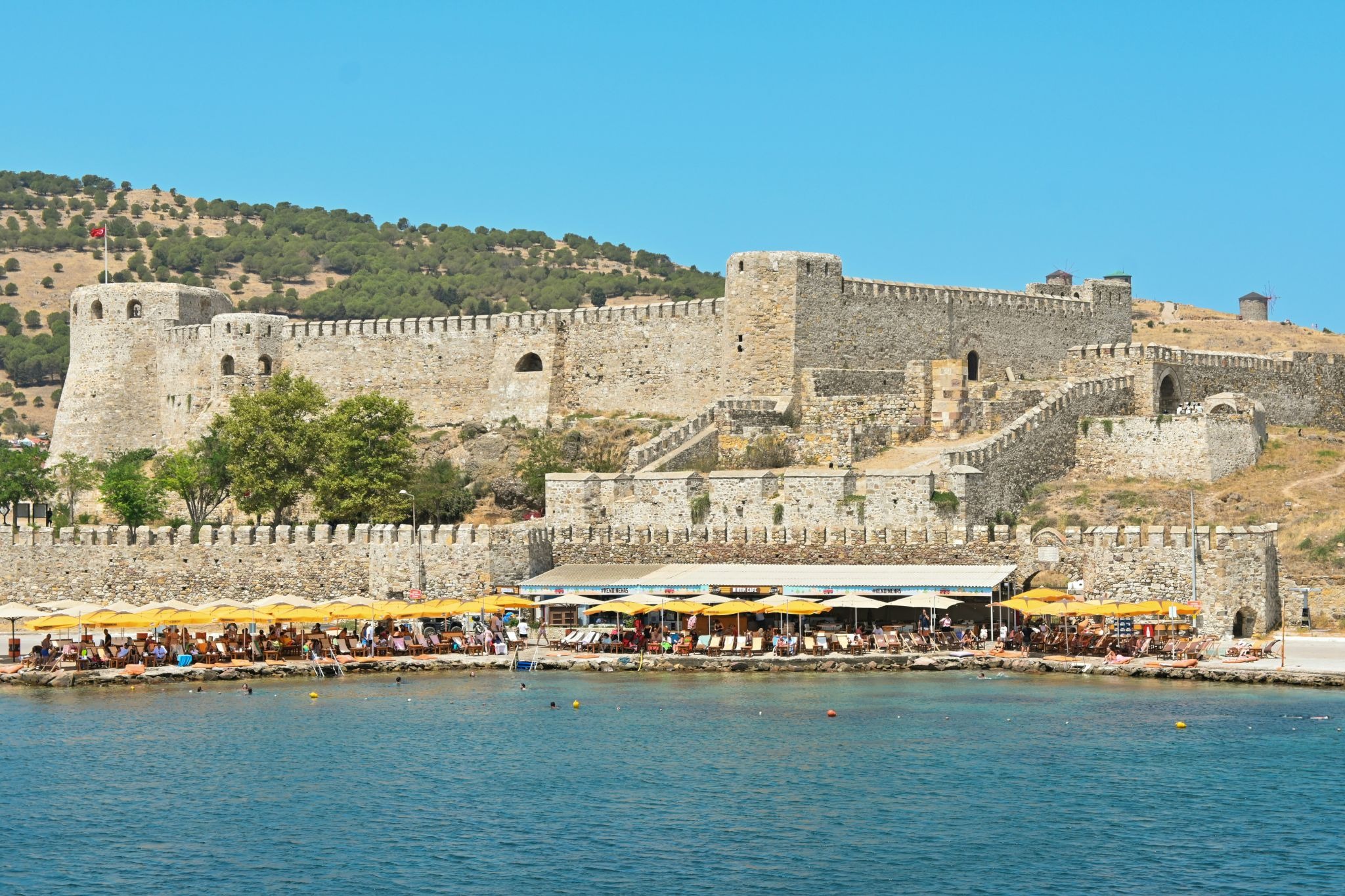
Turkey's Aegean coast in September is arguably a better destination than in July. The reason is simple: the sea stays warm at around 24-26°C along the Bodrum and Marmaris coastline, air temperatures drop from a punishing 33-35°C in July to a far more comfortable 28-30°C, and accommodation prices fall 25-35% from their peak. You get the same coast, the same water, the same ancient ruins, with fewer crowds and lower costs.
Bodrum is the main base for most travellers. The Castle of St Peter, built in 1402 by the Knights of St John, now holds the Museum of Underwater Archaeology. It is one of the best maritime museums in the world, with shipwreck artefacts going back to 1300 BCE, including finds from the famous Uluburun Bronze Age wreck. In September, Bodrum feels more relaxed. The marina is still active, but it is no longer overcrowded, and restaurants have space again.
Further north, Çeşme offers a mix of a small harbour town and natural thermal springs that have been used since Roman times. It is quieter in September and easier to explore.
One of the best experiences in this region is a gulet cruise. These traditional wooden boats sail along the Turquoise Coast, usually on 1-2 week routes from Marmaris or Fethiye. They stop at hidden bays, Lycian rock tombs, and places like the sunken city of Kekova. Prices are usually 15-25% lower in September, and the sea is calmer for sailing. Ölüdeniz and its Blue Lagoon are also part of this coastline.
September is also the best time for inland trips. Ephesus, one of the best-preserved Roman cities in the world, is still very hot in peak summer, but September mornings are much easier to manage. Pamukkale’s white thermal pools and the ancient city of Hierapolis are also far more comfortable at 23-25°C compared to extreme summer heat above 40°C. Both are UNESCO World Heritage Sites and are best visited early in the day.
Search hotels along the Aegean coast or book flights to Istanbul, Izmir, or Bodrum at 30% cheaper.
3. Morocco
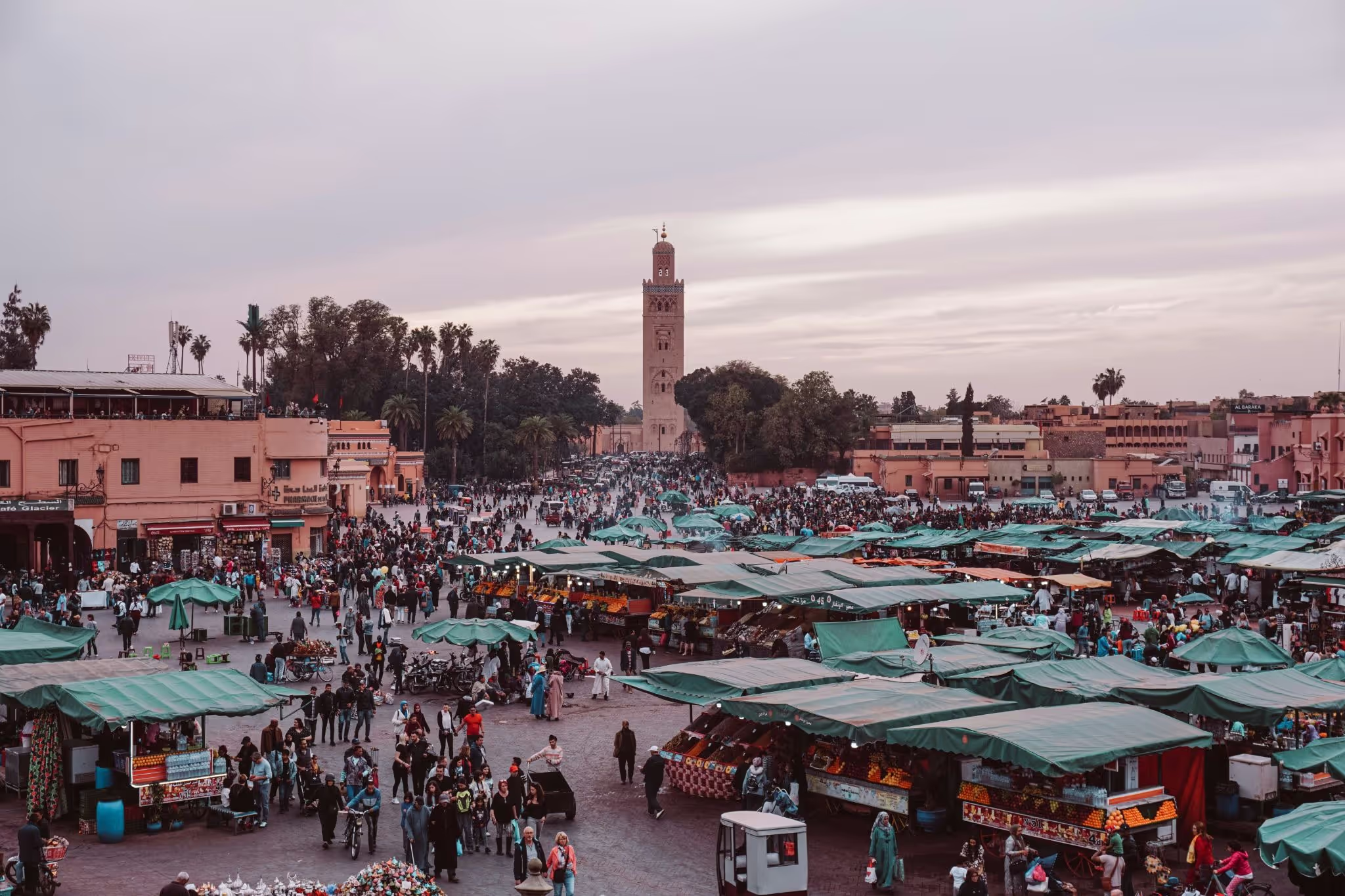
Marrakech in July and August often reaches around 38°C, which makes walking through the medina very difficult. In September, the heat starts to ease. The average daytime temperature drops to about 32-33°C, and by late September it can be closer to 28-29°C. This change makes a big difference. The souks become easier to explore, Djemaa el-Fna square is more comfortable, and day trips outside the city become much more enjoyable.
Djemaa el-Fna is the main square of Marrakech and a UNESCO World Heritage site. It has been a gathering place for almost 1,000 years. In the evening, it comes alive with food stalls, musicians, and storytellers, creating a lively open-air scene. The best time to visit is at sunset. The Jardin Majorelle, a famous blue garden restored by Yves Saint Laurent, is best visited early in the morning before it gets busy, and you need a timed ticket to enter.
For a day trip, Imlil in the Atlas Mountains is a great option. It sits at around 1,800 metres above sea level, so it is much cooler than Marrakech. September is also the start of the hiking season here. If you have more time, Fes and Chefchaouen are both worth visiting for a night or two.
A traditional hammam experience is also a must. It is a local bathing ritual, and September’s warm weather makes it easier to enjoy.
Search riad stays in Marrakech or book flights to Marrakech Menara Airport or Casablanca Mohammed V Airport on CoinBooking for better September travel prices.
4. Kenya / Masai Mara

The Great Migration is the biggest movement of land animals in the world. More than 1.5 million wildebeest, along with hundreds of thousands of zebras and gazelles, move in a large circle between Tanzania’s Serengeti and Kenya’s Masai Mara. By September, most of the herds are already in the Masai Mara, spreading across the plains after crossing the Mara River.
River crossings still happen in September, especially when late groups arrive and cross the crocodile-filled river. There are also fewer safari vehicles than in August, which often makes the experience more relaxed and better. This is also one of the best times to see predators. Lions, cheetahs, and leopards follow the herds closely, so sightings are more common in the open grasslands.
Safari game drives usually take place twice a day, early morning and late afternoon. Staying closer to the Mara River can improve your chances of seeing river crossings, but these locations are usually more expensive. A hot air balloon safari is another popular experience. It takes off before sunrise, lasts about one hour, and ends with a bush breakfast in the savannah. Prices usually range from $450-$650 per person and are best booked through your camp.
The Masai Mara is not a cheap destination. Top tented camps can cost between $500 and $1,500 per person per night during migration season, but the experience is one of the most special wildlife events on Earth. However, if you book through Coinbooking, you can save upto 30% on your safari lodges in the Masai Mara and flights to Nairobi Jomo Kenyatta International Airport, making a significant difference.
5. Japan

August in Japan is very hot and humid, with temperatures often reaching 35°C. It is also very busy because of the Obon holiday in mid-August, when many locals travel at the same time, causing crowds and transport delays. September brings a clear change. The Obon period ends, schools reopen, and crowds reduce. In Tokyo, average temperatures drop from about 31°C in August to around 27°C in September, and by late September, it becomes much more comfortable at 22-24°C.
One important thing to know is that September is still typhoon season in Japan. Around 2-3 typhoons may affect the country, usually bringing a day or two of heavy rain. Most trips are not badly affected, but it is good to keep some flexible days in your plan.
One of the best places to visit in September is Hokkaido in the north. Daisetsuzan National Park sees the earliest autumn colours in Japan from mid-September, with mountains turning red and orange while most of the country is still green. It is also much less crowded than popular spots in other seasons.
In central Japan, Kamikochi in the Japan Alps is perfect for hiking in September. It sits at about 1,500 metres, so the weather is cooler, summer crowds are gone, and early autumn colours begin along the river. Many mountain trails, including routes to Mount Hotaka, are still open before winter arrives.
Nikko, north of Tokyo, is another good option, with forested mountains and historic shrines surrounded by nature that starts changing colour earlier than the city. September is also harvest festival season across Japan, when towns celebrate rice, sake, and seasonal food.
Coinbooking has the best deals on flights and hotels across Japan, so search for accommodations where you want to stay or book flights to Tokyo Narita Airport or Osaka Kansai Airport.
6. Dubrovnik, Croatia
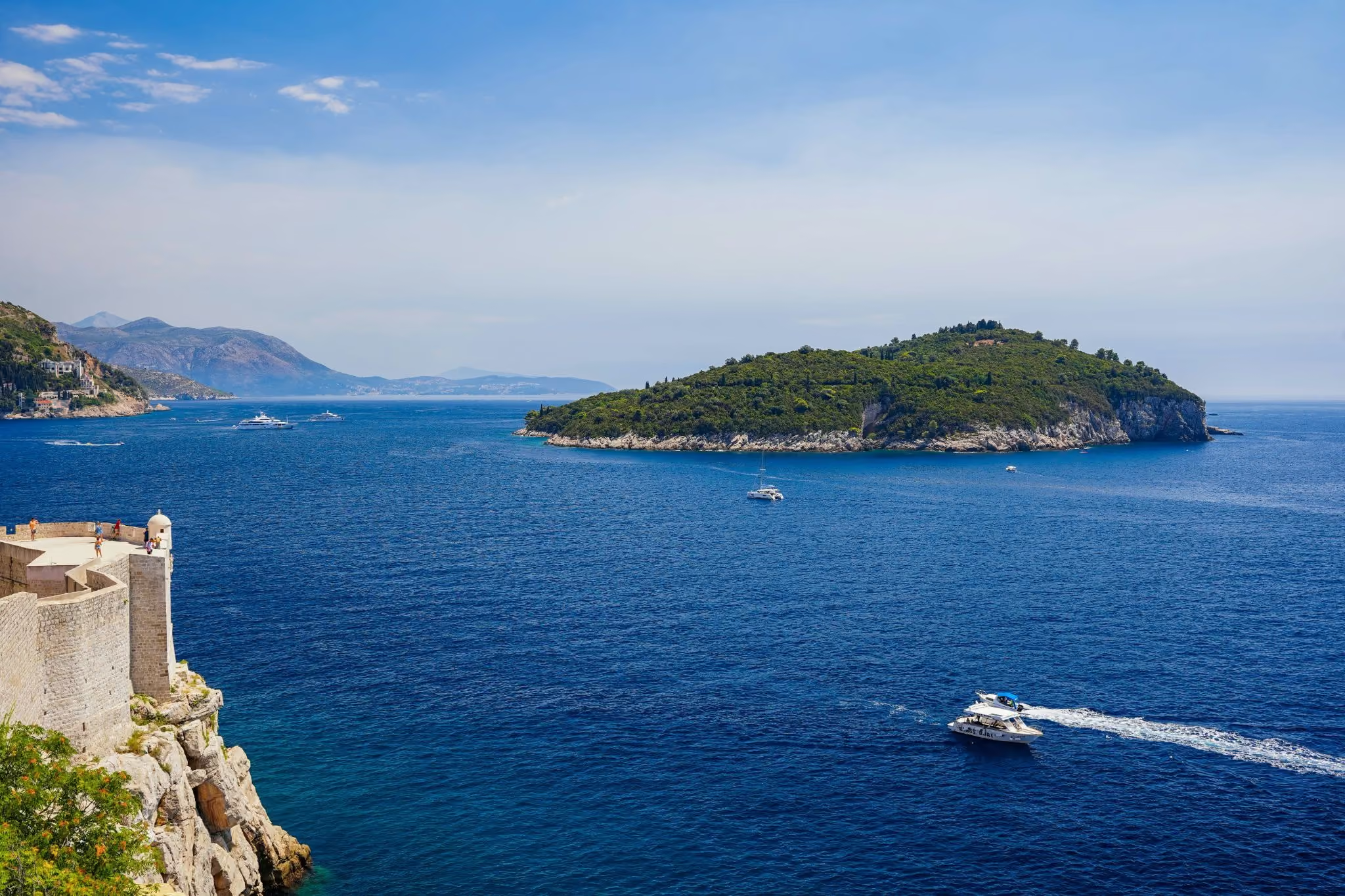
Dubrovnik is one of the most crowded cities in Europe in the summer. During peak season, there can be around 27 tourists for every local resident. The Old Town gets very busy, the main street (Stradun) is packed, and temperatures often reach 30-33°C. It can feel overwhelming in July and August.
September is much more comfortable. Schools reopen across Europe, so the number of day-trippers drops. The weather is still warm but easier to enjoy, with temperatures around 25-27°C. The Adriatic Sea stays warm at about 24-25°C, and hotel prices usually fall by 20-30% compared to peak summer.
One of the best experiences here is walking the city walls, a 2 km route with wide views over the sea and rooftops. It is best to go early in the morning before the cruise crowds arrive. Even though Dubrovnik limits cruise ships, the Old Town still gets busy from around 10 am to 4 pm, so early visits make a big difference.
Lokrum Island is a short ferry ride away and much quieter in September, with rocky swimming spots and shaded walking paths. Cavtat, about 15 km south, is a peaceful seaside town with good restaurants and a relaxed feel, plus easy ferry links to Dubrovnik.
Boat trips to the Elaphiti Islands (Koločep, Lopud, Šipan) are also better in September because the sea is calmer and beaches are less crowded. The cable car to Mount Srđ is another highlight, especially at sunset, and sea kayaking around the Old Town is easier in calm waters.
Search hotels in Dubrovnik or book flights into Dubrovnik Airport or Split Airport on CoinBooking for lower September prices.
7. Portugal / Douro Valley
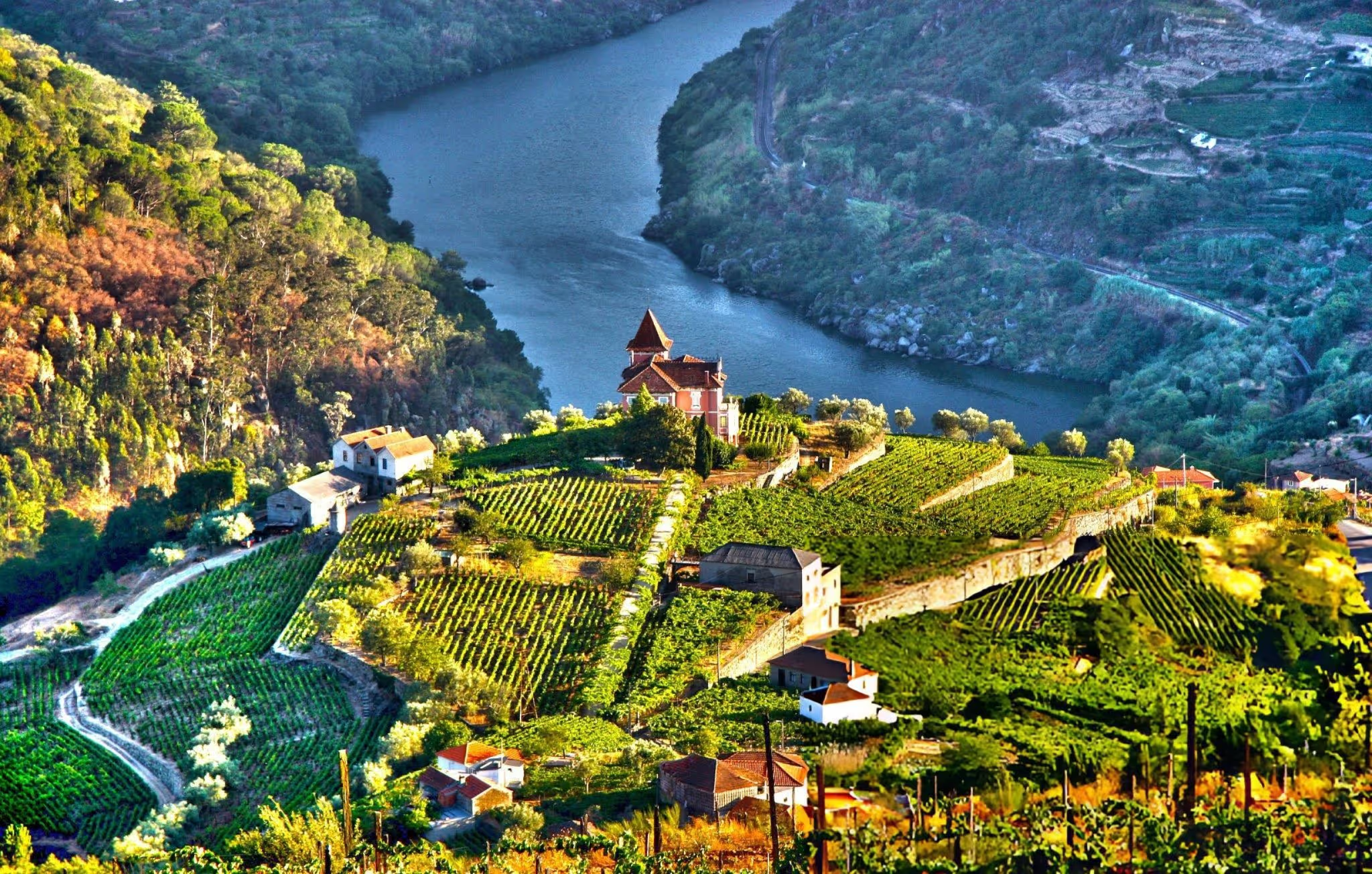
The Douro Valley is the oldest wine region in the world and a UNESCO World Heritage Site. In September, it becomes especially beautiful because it is harvest time. This is called the “vindima” season, when grapes are picked from mid-September to mid-October. The whole valley comes alive; workers picking grapes on steep terraces, wine estates (called quintas) getting busy, and golden sunlight covering the river and hills.
The main highlight is the harvest experience. Some estates, like Quinta da Pacheca (dating back to 1738), open their vineyards for visitors. You can join grape picking in the morning, enjoy a traditional outdoor lunch in the vineyards, and even try foot-treading grapes in stone tanks in the afternoon, just like it has been done for hundreds of years. Other estates like Quinta do Crasto and Ramos Pinto also offer similar experiences. It is important to book early, as September fills up fast.
Getting there is part of the experience, too. From Porto’s São Bento station, a scenic train runs along the Douro River to Pinhão in about 2.5 hours, costing around €12. The views are stunning the entire way, with vineyards on both sides of the river. Pinhão is a small but charming village and the heart of the wine region. From here, you can take boat trips or visit nearby estates.
Porto itself is also great in September; cooler than summer, less crowded, and full of great food and wine.
Search Quinta stays in the Douro Valley or book flights to Porto Airport on CoinBooking.
8. Munich, Germany
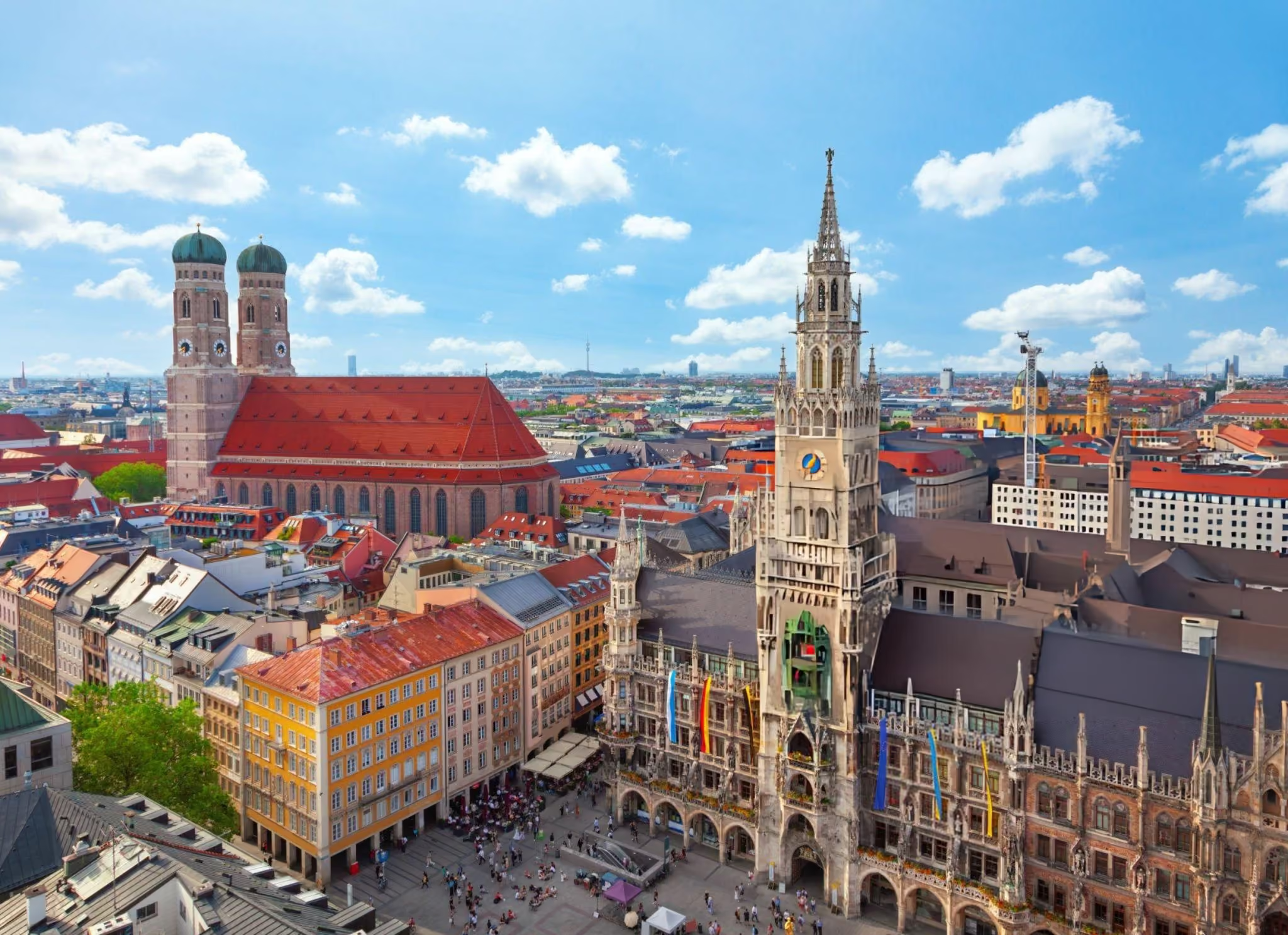
Oktoberfest 2026 runs from September 19 to October 4 on the Theresienwiese in Munich. This is the same open ground where the festival has taken place since 1810. Around 7 million people visit, making it the largest folk festival in the world. It can sound overwhelming, but the event is very well organised. The festival area is huge, and the beer tents are large enough to handle thousands of people at once.
One important thing to know: entry to the festival is free, but you need a reservation if you want a seat inside the beer tents. Each tent has its own style and crowd. For example, Hofbräu-Festhalle is the most lively and international, Schottenhamel is where the official opening happens when the mayor taps the first beer barrel on September 19, and Hacker-Festzelt is known for its painted sky ceiling and more local feel.
Reservations are made directly through each tent’s website, usually in April or May. Most require a minimum group size and a minimum spend (often including beer and food). Avoid resellers, as prices are often much higher. If you don’t have a reservation, weekday lunchtimes are the best chance to get in.
Munich itself is also worth exploring. Marienplatz is the main square with its famous Glockenspiel show. Nymphenburg Palace shows Bavarian royal history, and the Deutsches Museum is one of the world’s best science museums. The English Garden is larger than Central Park and even has river surfing.
Hotels in Munich get very expensive during Oktoberfest, often €300-€500 per night near the centre. Prices rise sharply, especially on weekends, so booking early is important. Search Munich hotels and book as early as possible, because Oktoberfest is one of the most overbooked events in the world. You can also book flights to Munich Airport on CoinBooking. Staying outside the centre and using the U-Bahn train system is much cheaper and still convenient.
9. Vietnam / Hoi An

September is a good time to visit Hoi An. Temperatures stay warm at around 28-30°C, the rice fields are bright green, and the town is much quieter than during the busy tourist season. It is worth knowing that September marks the start of the rainy season in central Vietnam. The area usually sees 15-19 rainy days and around 308 mm of rainfall during the month. However, the rain often comes as short, heavy showers rather than lasting all day. Mornings are usually clear, and many travellers find the lower prices and smaller crowds worth the occasional rain.
Hoi An Ancient Town, a UNESCO World Heritage Site, is one of the most charming places in Southeast Asia. In the evening, colourful lanterns light up the streets and reflect on the Thu Bon River, creating a beautiful atmosphere. Early mornings are the best time to explore before the heat and crowds arrive.
Just 4 km from the Old Town is An Bang Beach, a quieter alternative to the busier beaches in nearby Da Nang. Da Nang itself is only 30 minutes away and offers great food, My Khe Beach, and the famous Dragon Bridge.
A cooking class is one of the best experiences in Hoi An, often starting with a visit to a local market. Cycling through the surrounding rice fields is another easy and enjoyable activity. You can also visit My Son Sanctuary, a UNESCO-listed complex of ancient Cham temples built between the 4th and 13th centuries, located about 40 km from Hoi An.
September also works well for a longer Vietnam trip. Hanoi and Ha Long Bay start to cool down after summer, while Ho Chi Minh City remains busy and fully open despite being in its wet season. Search hotels in Hoi An and Da Nang, or book flights into Da Nang International Airport at lower rates.
10. Tanzania / Zanzibar
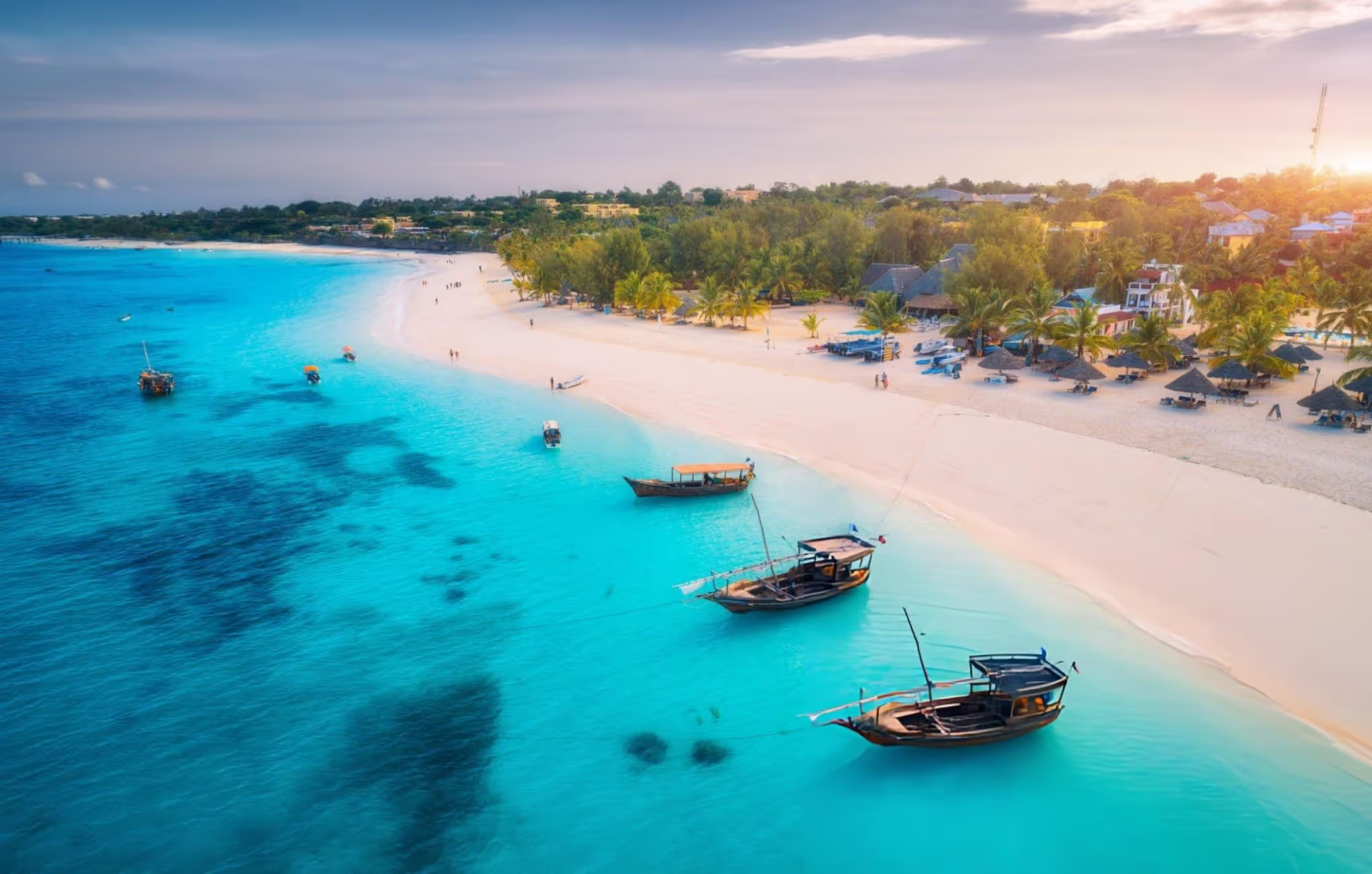
September is one of the best times to visit Zanzibar. The island is coming to the end of its long dry season, which runs from June to October. The weather is warm and sunny, rainfall is low at around 30-50 mm for the month, and sea temperatures stay comfortable at about 25-26°C. September is also quieter than July and August, so beaches are less crowded, and accommodation is often easier to find at better prices.
Book your next hotel for up to 30% less
Stone Town is the best place to start your trip. This UNESCO World Heritage Site is full of history and culture, with narrow streets, carved wooden doors, old coral-stone buildings, markets, mosques, and former palaces. It reflects centuries of Persian, Arab, Indian, and Swahili influence. The former slave market site and the Anglican Cathedral built there are important places to visit and learn about Zanzibar's history.
For beaches, Nungwi on the northern coast is one of the best choices. Unlike many beaches on the East Coast, the water remains deep and clear throughout the day, making it perfect for swimming.
Snorkelling trips to Mnemba Island are another highlight. The clear September waters offer excellent visibility, and you may spot hawksbill turtles, eagle rays, and colourful reef fish. Jozani Forest, Zanzibar’s only national park, is home to the rare Zanzibar red colobus monkey, found nowhere else in the world. A guided walk gives you a good chance of seeing them.
You can also visit one of Zanzibar’s famous spice farms to learn about cloves, vanilla, cinnamon, and cardamom. On the East Coast, Paje is one of the best kitesurfing destinations in East Africa thanks to its steady winds and shallow lagoon.
Many travellers combine a Serengeti safari with a Zanzibar beach holiday. In September, wildlife viewing remains excellent in the Serengeti, making it easy to enjoy both safari and beach in the same trip.
Search beach resorts in Zanzibar or book flights into Julius Nyerere International Airport in Dar es Salaam or Kilimanjaro International Airport.
11. Canada / Québec
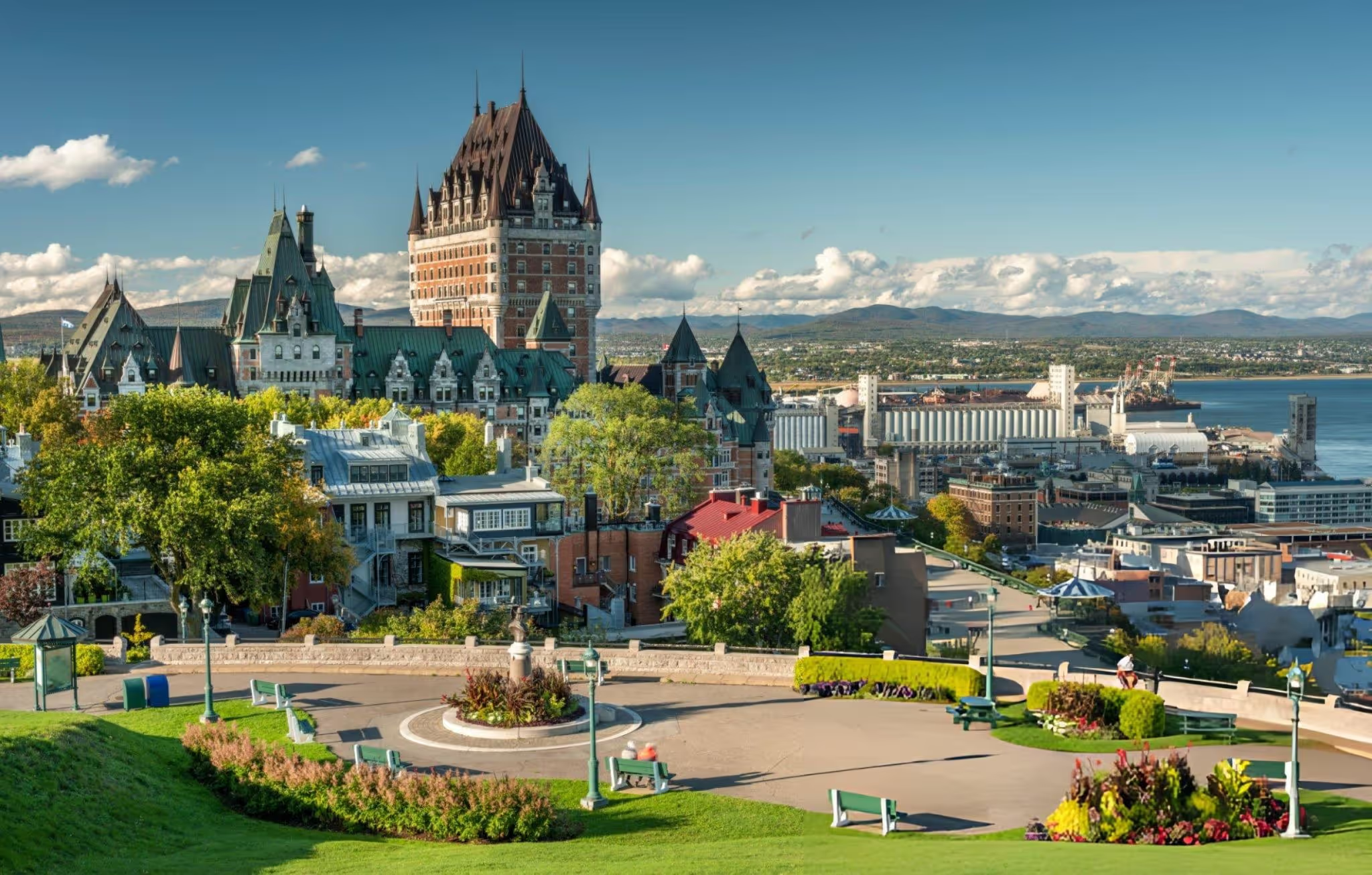
When people think about autumn colours in North America, New England usually gets most of the attention. But Québec offers equally beautiful fall scenery, often with fewer visitors and lower prices. Hotel rates in Québec City can be 35-40% lower in September compared to the busy summer months, while the autumn colours are just starting to appear. The first signs of colour usually show up in mid-September, with peak foliage arriving in late September and early October.
One of the best places to experience fall is Parc national du Mont-Tremblant. This is Québec’s oldest provincial park and is known for its forests of maple and birch trees that turn bright shades of yellow, orange, and red. You can take a gondola ride for wide views of the colourful landscape or spend time hiking, canoeing, and exploring the lakes and rivers throughout the park.
The Eastern Townships, located southeast of Montréal, combine beautiful autumn scenery with a growing wine region. Small towns such as Sutton, Knowlton, and Magog sit along scenic roads near Lake Memphrémagog, making this area perfect for a relaxed road trip.
Québec City is another highlight. Its UNESCO-listed Old Town is one of the most historic places in North America, with stone walls, narrow streets, and views over the St. Lawrence River. Nearby, the Charlevoix region offers one of Canada’s most scenic coastal drives, especially when the hills begin changing colour.
Montréal is a great base for exploring the region, with excellent restaurants, cafes, and easy access to both Mont-Tremblant and the Eastern Townships.
Search hotels in Montréal and Québec City or book flights to Montréal–Trudeau International Airport or Québec City Jean Lesage Airport on CoinBooking.
12. Seychelles
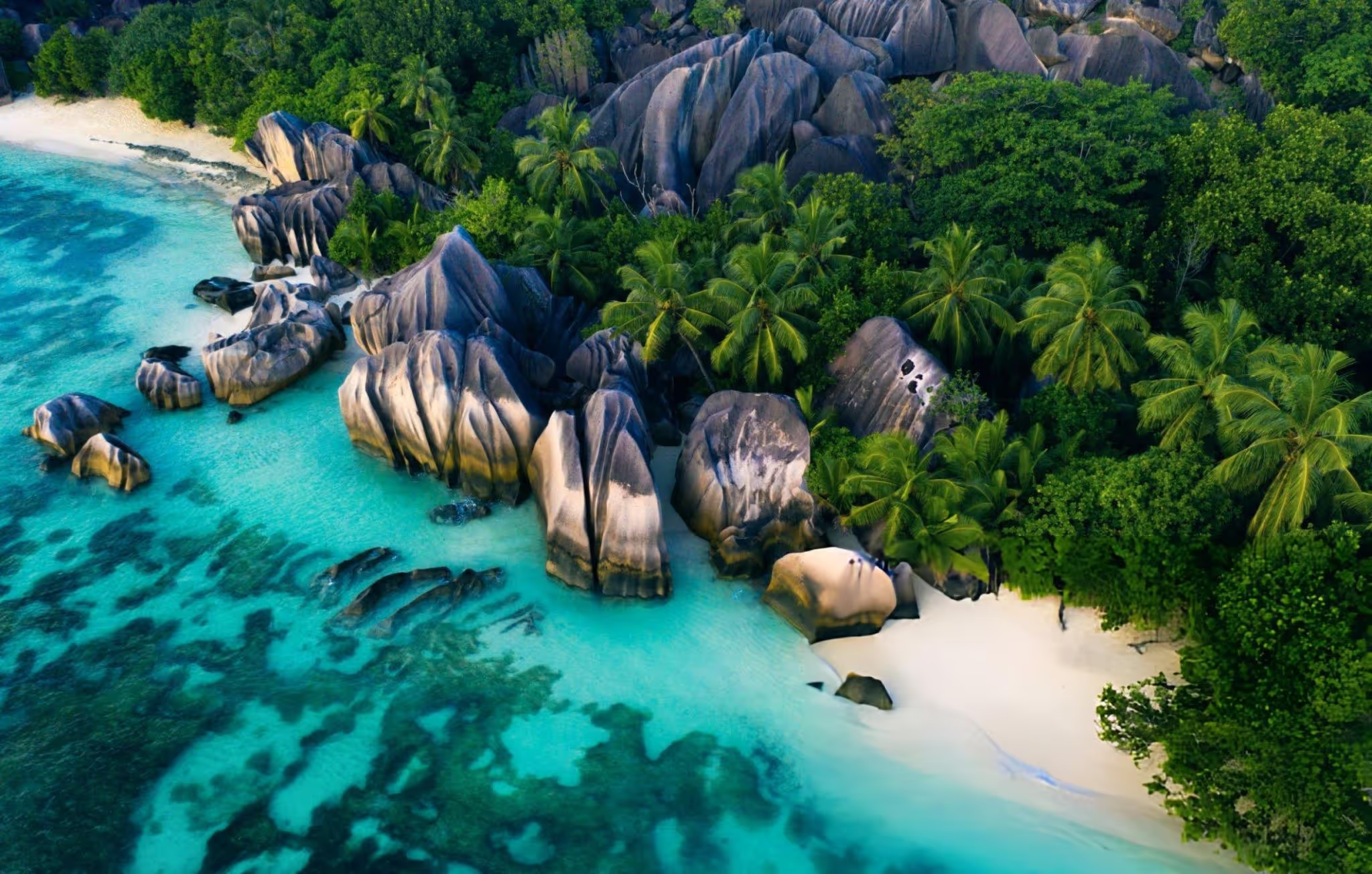
September is one of the best times to visit the Seychelles. It falls near the end of the southeast trade wind season, bringing warm and mostly dry weather. Daytime temperatures are usually around 28-29°C, and the sea is just as warm. By late September, the trade winds begin to ease, creating calmer conditions across the islands. Visitor numbers are also lower than during the busy June to August period, which means quieter beaches and better hotel prices.
One of the most famous places in the Seychelles is Anse Source d'Argent on La Digue Island. With its huge pink granite boulders, white sand, and clear turquoise water, it is one of the most photographed beaches in the world. A 20-minute walk along the coast takes you to Anse Cocos, a quieter beach that is great for snorkelling and exploring the reef.
On Praslin Island, the Vallée de Mai is a UNESCO World Heritage Site and home to the rare coco de mer palm. This forest is the only natural place where the coco de mer grows, and it produces the largest seed in the world.
On Mahé, Morne Seychellois National Park covers about one-third of the island. Hiking trails lead to the park’s highest point, the 905-metre Morne Seychellois summit, where you can enjoy beautiful views across the islands.
A trip combining Mahé with either Praslin or La Digue is easy to do, as ferries and domestic flights run daily between the islands. Search Seychelles resort hotels or book flights via Dubai or Nairobi into Mahé International Airport on CoinBooking.
How to Book Your September Trip with CoinBooking
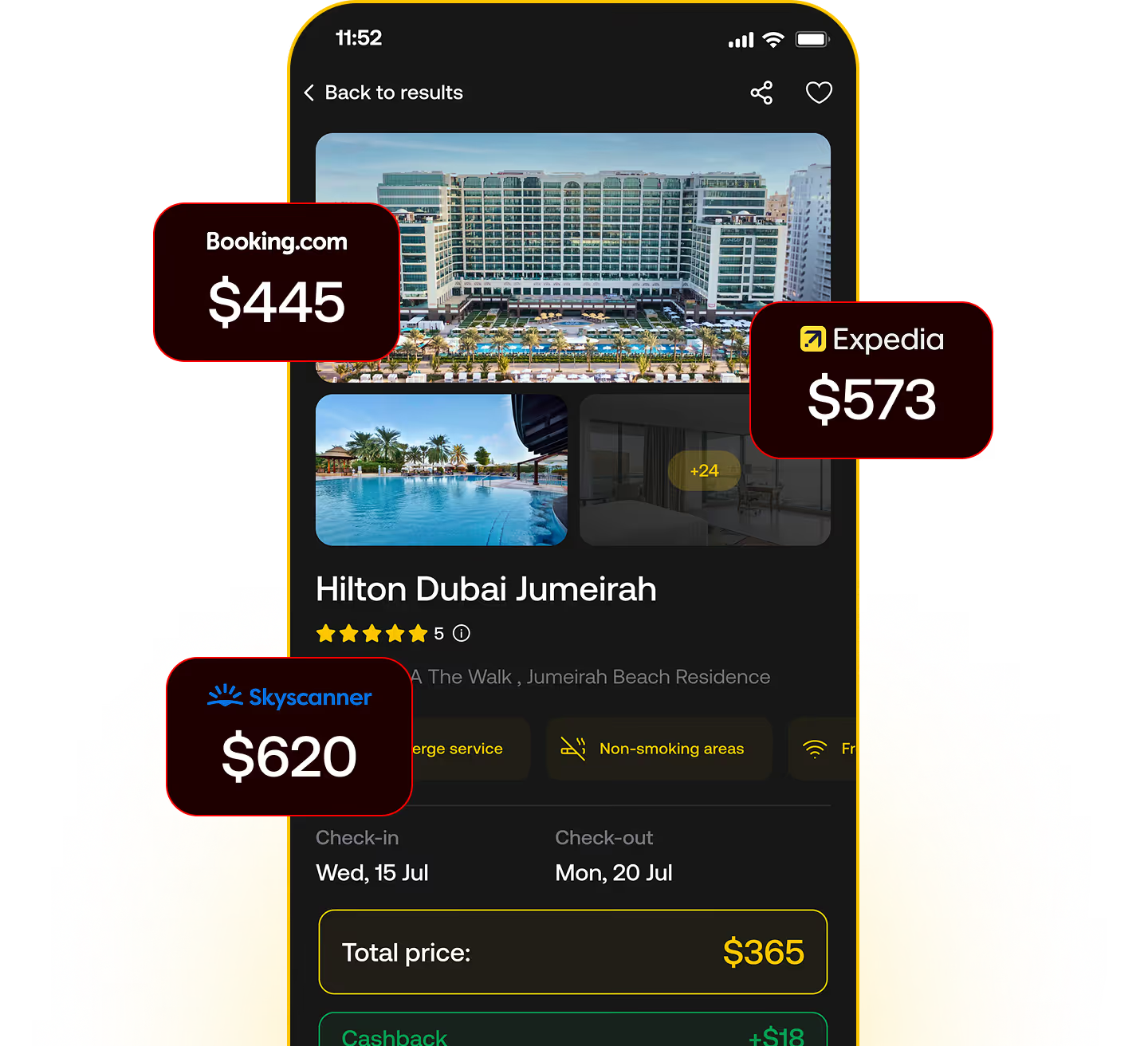
September is one of the best months for savings because prices already drop, usually around 20-40% lower than their August peak once school holidays end. On top of that, booking through CoinBooking can reduce costs by up to another 30%, since it uses wholesale (B2B) travel rates that are often lower than what you see on standard booking sites.
CoinBooking offers access to more than 2 million hotels and flights in over 190 countries, similar inventory to major platforms like Booking.com and Expedia, but often at lower prices.
You can pay in different ways, including 200+ cryptocurrencies like Bitcoin and USDT, or use regular payment methods such as Visa, Mastercard, Apple Pay, and Google Pay.
If you’ve picked your September destination from this list, the process is simple. Just search, compare options, and book directly on CoinBooking.com. So, sign up now and get your $25 off your first booking in just a few clicks.
Frequently Asked Questions
Where is the best place to travel to in September?
The best September destinations are those that are specifically at their peak, not just open. The Greek Islands and Turkey's Aegean coast hit their warmest sea temperatures of the year. Kenya's Masai Mara has the wildebeest herds in residence. Oktoberfest opens in Munich on September 19. Portugal's Douro Valley throws open its vineyards for the grape harvest. Any of the 12 destinations in this guide are at their best, not just decent, in September.
Is it cheaper to travel in September than in August?
For travellers departing from the UK, significantly so. According to ONS data analysed by Which, UK air fares fell 34.8% in September compared to August, one of the sharpest monthly drops on record. Hotel prices follow the same pattern, dropping 20-40% across Mediterranean destinations. The weather, sea temperatures, and most attractions remain the same.
Where to spend 2 weeks in September?
A two-week trip in September works best when you combine two different experiences in the same region. This way, you get more variety without spending too much time travelling.
In Tanzania, you can pair a Serengeti safari with 5 to 7 days on Zanzibar’s beaches. In Vietnam, a popular route is starting in the north with Hanoi and Ha Long Bay, then travelling down to central Vietnam for Hoi An and Da Nang. In Greece, you can combine Athens with two different islands for a mix of city history and island life. In Portugal, a great option is the Douro Valley during harvest season, along with Porto and a few days in Lisbon.
All four of these travel combinations are easy to do because they are well-connected with direct flights or just one connecting flight.
Which country is the cheapest to visit in September?
Morocco and Vietnam are two of the cheapest countries to visit in September, while still offering a very high-quality travel experience. In Morocco, especially Marrakech, the weather becomes more comfortable in September, dropping from around 38°C in summer to about 28-32°C. At the same time, prices for riad stays are much lower compared to European beach destinations. The local currency (Moroccan dirham) also gives you good value for money, so daily costs stay low. Vietnam is also very budget-friendly. In places like Hoi An, hotels are much cheaper than similar stays in Europe, and September has slightly fewer tourists, which helps keep prices down even more. Both Morocco and Vietnam are easy to reach, with direct flights or one-stop connections from many international cities.
When does Oktoberfest 2026 start?
Oktoberfest 2026 starts on Saturday, September 19 and runs until Sunday, October 4 in Munich, Germany, at the Theresienwiese grounds. The festival officially begins when the Mayor of Munich taps the first beer keg at 12 noon on September 19 in the Schottenhamel tent; no beer is served before this moment anywhere on the grounds. Beer tent reservations open on each tent’s official website, usually in April or May. Hotels in Munich sell out quickly, and prices can rise by more than 120% during the festival, so booking early is important.
What events are happening in September 2026?
September 2026 has several major global events happening at the same time. In Munich, Germany, Oktoberfest runs from September 19 to October 4, with around 7 million visitors attending the world’s largest folk festival. On the same dates in Japan, the 2026 Asian Games take place in Aichi-Nagoya, featuring 46 countries and 461 events across 43 sports. In Portugal, the Douro Valley enters its grape harvest season from mid-September to mid-October, with wine estates offering hands-on harvest experiences. In Japan, the Sapporo Autumn Harvest Festival runs from September 20 to 28, celebrating local food and produce in Hokkaido. In Kenya, the Great Wildebeest Migration continues through September in the Masai Mara, with river crossings and peak predator activity, making it one of the best safari months.

Saira Parveen is a Dubai-based SEO content writer with a background in digital marketing and search visibility. She covers cryptocurrency adoption, travel booking with digital assets, and the practical side of spending crypto in everyday life.
Her work at CoinBooking focuses on helping readers navigate the intersection of crypto and travel, from finding the best rates on hotels and flights to understanding how to pay for travel with digital assets.

Found a hotel you like? Book it for up to 30% less

Found a hotel you like? Book it for up to 30% less