.avif)
.avif)

.png)

Content
12 Things to Do in Antigua Guatemala: Volcanoes, Coffee & Hidden Gems

Antigua Guatemala makes an impression from the moment you arrive. Just 45 minutes from Guatemala City, you'll be greeted by views of volcanoes, cobblestone streets, and the smell of wood smoke and fresh coffee. Fuego Volcano often rumbles in the background, adding to the city's unique atmosphere. If you're looking for things to do in Antigua Guatemala, this small city packs an incredible mix of colonial history, adventure, world-class coffee, and luxury experiences into just a few square blocks.
Guatemala welcomed 3.36 million international visitors in 2025, up 11% from the previous year, and Antigua is at the heart of that growth. Watch the video below for a quick overview of all 12 experiences, then keep reading for practical tips, costs, seasonal advice, and planning information. Whether you have one day or a week, this guide covers the experiences that are truly worth your time.
With CoinBooking, you can book hotels and tours in Antigua for up to 30% less than Booking.com, leaving more of your budget for volcano hikes, coffee tours, and cooking classes. Sign up with your email to get $25 off your first booking, or let CoinBooking Concierge plan your entire trip for you.
Why Antigua Guatemala Deserves a Spot on Your 2026 Travel List
Guatemala earned its first-ever MICHELIN Keys in October 2025, recognising four properties for exceptional hospitality. In Antigua, Villa Bokéh earned two Keys, while Casa Palopó, on the shores of Lake Atitlán, earned one, the first Guatemalan hotels ever to receive the distinction. That is not a minor footnote. It is a signal that the destination has crossed a threshold from backpacker trail to globally recognised quality.
At the same time, new direct air routes are making Antigua more accessible than ever. JetBlue launched a daily Fort Lauderdale–Guatemala City service in 2025, and Air Canada added a Montreal–Guatemala City route from October 2025. Getting here from North America has never been cheaper or easier.
Antigua is also one of the safest destinations in a country that requires careful planning. Tourist corridors, the city centre, Cerro de la Cruz, and the major volcano trailheads operate normally. As with any destination, standard awareness applies, and we cover the specifics in the safety section below.
What are the Things to Do in Antigua Guatemala
1. Hike Acatenango and Watch Fuego Erupt Overnight
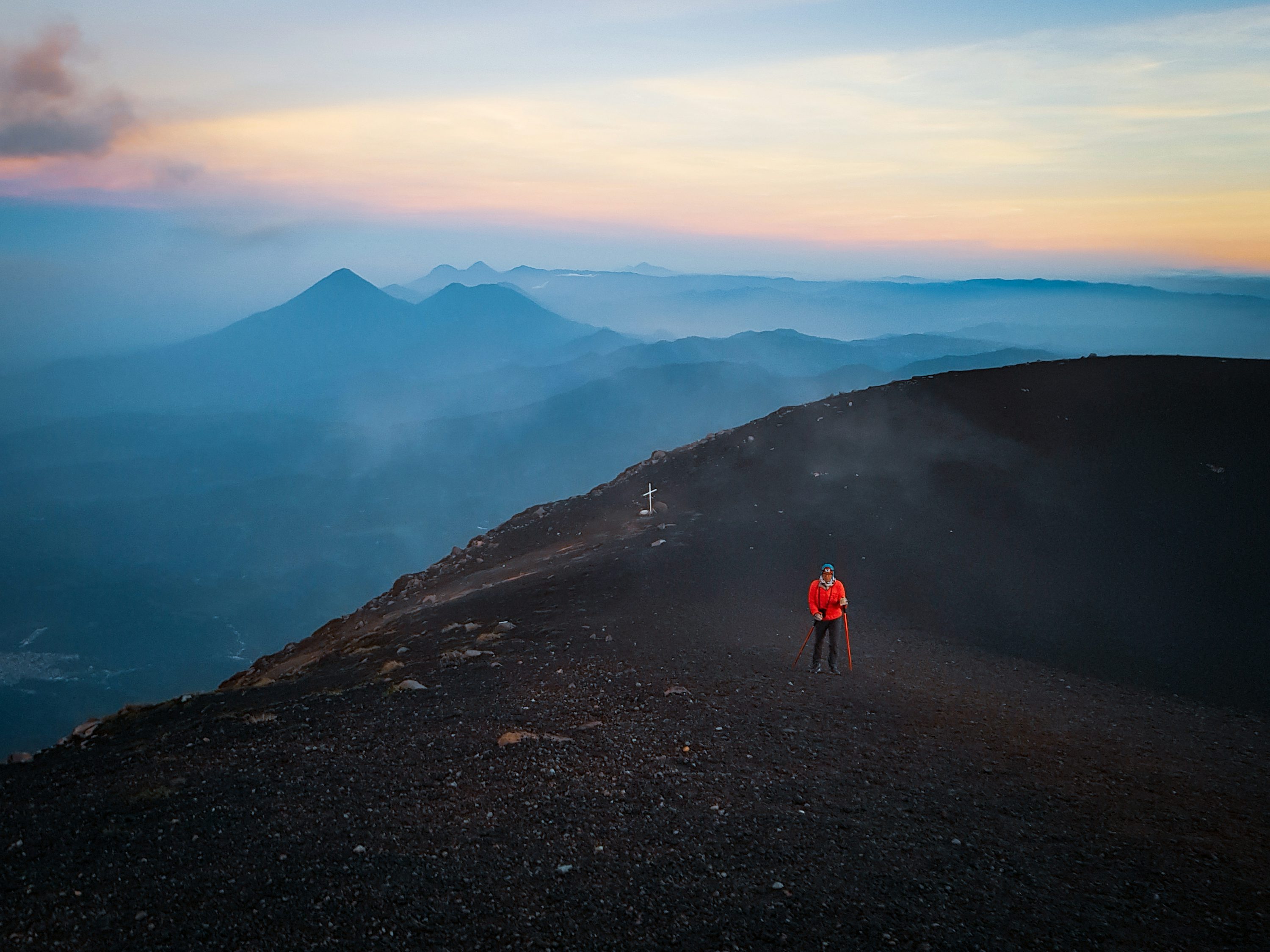
This is the one that people come back from changed. Acatenango is a dormant volcano 3,976 meters high. The hike to base camp takes four to six hours through cloud forest and increasingly loose volcanic scree. It is hard. You will feel it.
The reward is a front-row seat to Fuego, one of the most persistently active volcanoes on the planet, glowing and exhaling from directly across the valley. Most tour operators run overnight trips: you camp at altitude, wake before dawn for the summit push, and watch the sunrise over a sea of clouds.
One important update for 2026: Fuego entered a quieter activity phase beginning in early 2025. The eruptions that older guides describe as occurring every 15–20 minutes are not currently the norm. The volcano is still active and still spectacular at night, but set your expectations for variable rather than guaranteed pyrotechnics. Check current volcanic activity reports through Guatemala's INSIVUMEH observatory before you book.
Tip: Planning to hike Acatenango? Book your hotels and flights through CoinBooking up to 30% less than Booking.com. Pay with Visa, Mastercard, Apple Pay, Google Pay, or 200+ cryptocurrencies. If you'd rather leave the planning to someone else, CoinBooking Concierge can handle the entire trip from choosing the right Acatenango operator and coordinating transfers to booking your accommodation and managing the itinerary, all while securing the same discounted rates available through the platform. Book your trip with CoinBooking.
Cost: Guided overnight tours run approximately $50–$85 USD per person, including meals, camping equipment, and a guide. Solo hiking is not advised, and reputable operators will not take you without a guide.
2. Walk Antigua's Colonial Core Without a Checklist
%20(1).jpg)
Most first-time visitors make the mistake of treating Antigua's historic centre like a museum scavenger hunt: tick the arch, tick the cathedral, tick the park, done. The better approach is slower.
Antigua was the capital of the Spanish colonial administration of Central America from 1543 to 1773, overseeing a territory that spanned present-day Guatemala, Belize, Honduras, El Salvador, Nicaragua, Costa Rica, and the Mexican state of Chiapas. When the Santa Marta earthquakes in 1773, the capital was relocated to what is now Guatemala City, and Antigua was left largely intact and frozen in architectural time. That is why UNESCO designated it a World Heritage Site in 1979.
The city covers roughly nine blocks by nine blocks. You can walk the entire grid in a morning without rushing. What makes it worth slowing down is what you find when you stop: courtyard cafés behind heavy wooden doors, ruins that are still quietly collapsing, and neighbourhood markets operating exactly as they have for generations.
3. Stand Under the Santa Catalina Arch at Dawn
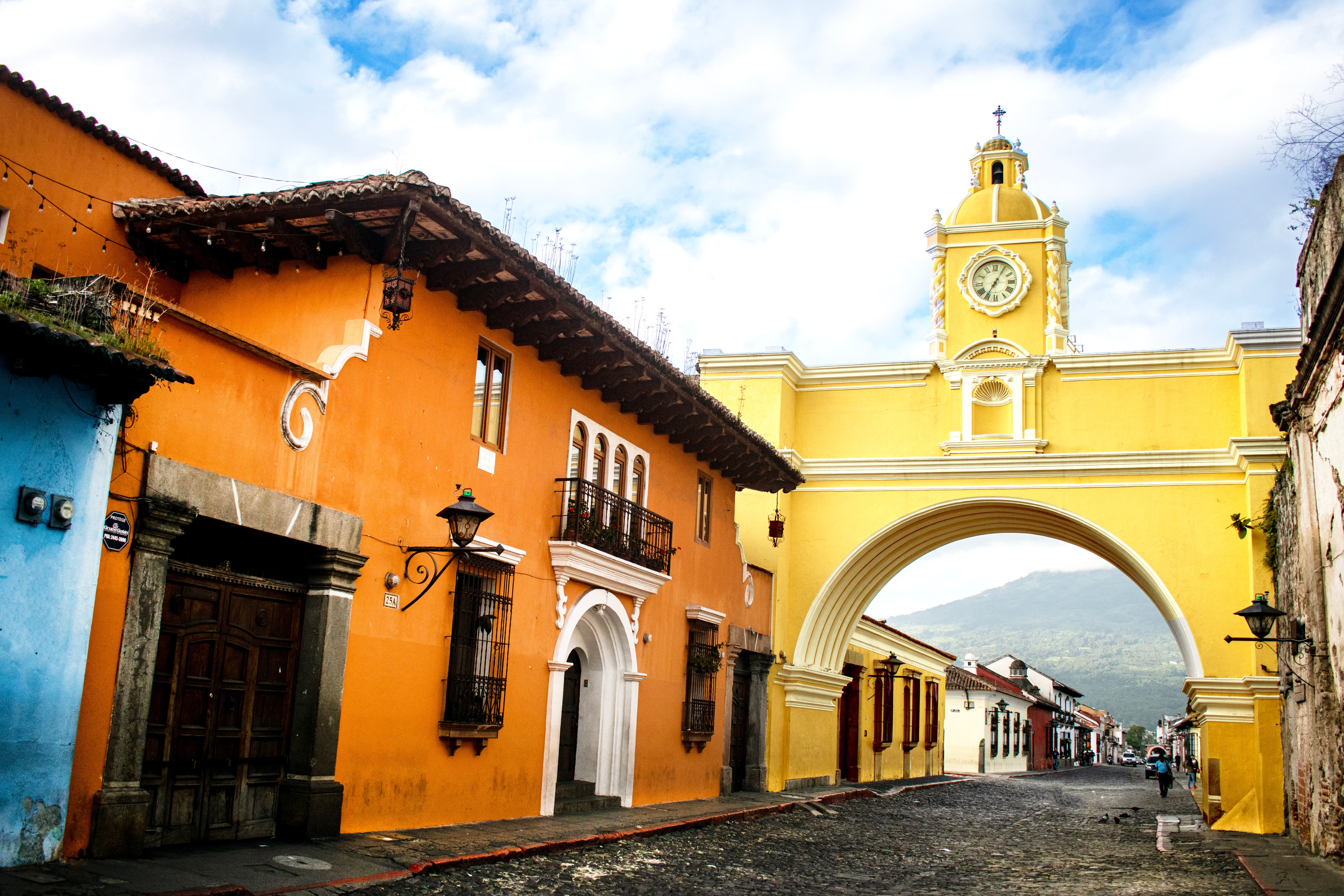
The Santa Catalina arch is Antigua's most photographed landmark, a yellow colonial gateway built in 1694 to allow nuns to cross the street without mixing with the general public. When framed correctly, Volcán de Agua lines up perfectly in the arch's opening.
Arrive before 8:00 a.m. By 9:30, the traffic is significant enough to make getting a clean shot difficult and the experience less enjoyable. Dawn light also hits the yellow façade beautifully from the east, which afternoon light does not.
4. Take a Coffee Farm Tour and Rethink What You Know About Coffee

Guatemala is among the world's top ten coffee producers by volume, and the volcanic soil and altitude of the Antigua valley produce beans with a profile of bright acidity, chocolate and caramel base notes that command serious attention from speciality roasters globally.
Visiting a coffee farm here is not a tourist gimmick. At most operations, you walk through the full process: from cherry-picking and pulping through fermentation, washing, drying, and roasting. You taste at multiple stages, including the green bean, which no café experience can replicate.
Several farms within 30 minutes of Antigua's centre offer guided tours in English and Spanish. Finca Filadelfia and La Hermosa are well-regarded and consistently reviewed for quality. Half-day tours typically run $25–$40 USD and include tastings and a bag of beans to take home.
If you only drink one cup of coffee that tastes markedly different from anything you have had before, make it freshly roasted Antigua arabica at altitude. It is one of those specific sensory experiences that holds.
5. Hike Pacaya Volcano: The Right Introduction to Guatemalan Volcanoes
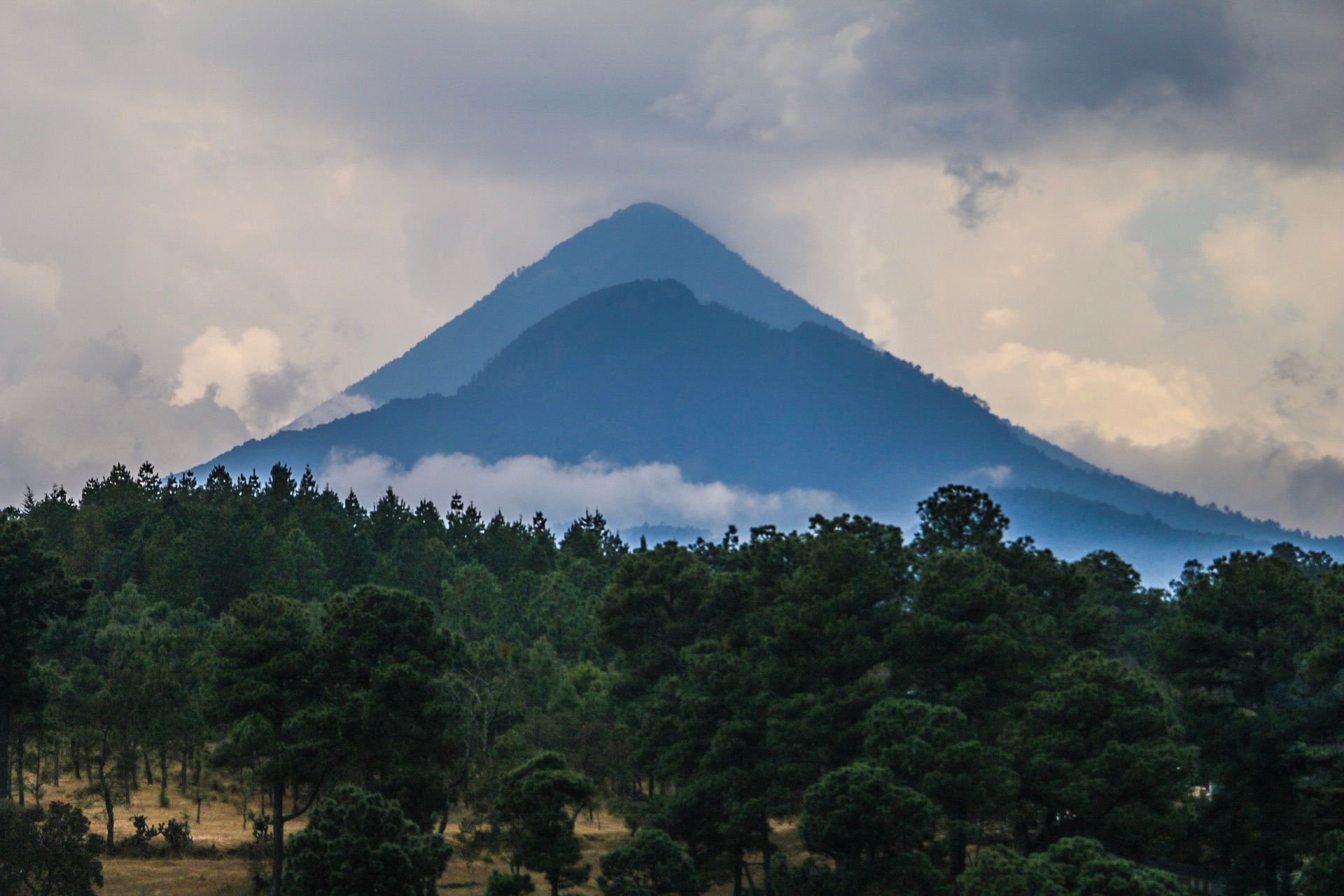
Acatenango gets the headlines, but Pacaya is the right volcano for travellers who want genuine adventure without a two-day physical commitment. Located about 90 minutes from Antigua, Pacaya is one of Guatemala's most persistently active volcanoes. The hike to the lava field takes roughly two hours at a moderate pace.
You can walk across a cooled lava flow. You can roast marshmallows using heat venting directly from volcanic rock fissures beneath your feet. The summit offers views across the valley on clear days.
Note on expectations: Flowing lava is visible sometimes, not always. Do not book Pacaya based on social media photos; those are real but not guaranteed on any given day. The experience remains extraordinary regardless.
Guided day tours from Antigua run approximately $25–$45 USD including transport and a licensed guide.
6. Spend an Afternoon at Casa Santo Domingo

This is Antigua's most underrated half-day. Casa Santo Domingo began as one of the most significant Dominican convents in the Americas, founded in the 16th century. The 1773 earthquakes reduced most of it to rubble. Today, the site operates as both a luxury hotel and a complex of six museums built into and around the original ruins.
The archaeological museum contains Mayan artefacts, pre-Columbian jade pieces, and ceramics recovered during the site's restoration. The pharmacy museum reconstructs a colonial-era apothecary. The religious art collection is housed in a partially restored convent space where the original frescoes are still partially visible on crumbling walls.
Admission to the museums is open to non-hotel guests. Entry runs approximately Q40–Q60 (roughly $5–$8 USD). Budget two to three hours.
7. Visit Hobbitenango
.jpg)
Hobbitenango is an eco-village perched on a hillside about 30 minutes from Antigua's centre. The name is a riff on Tolkien's Hobbiton, and the aesthetic follows through with grass-roofed structures, winding paths, and a theatrical approach to the surrounding cloud forest.
The draw is not the theme; it is the view. On a clear day, you can see Antigua spread below with all three surrounding volcanoes visible simultaneously. There is a small craft brewery on site, a restaurant serving Guatemalan food, and a zip line for those who want one.
Hobbitenango is significantly growing in interest among travellers planning Antigua itineraries. It works best as a late afternoon around 3:00 p.m., have a beer while the light shifts, and watch the sun drop behind the volcanoes.
8. Shop the Markets
.jpg)
Antigua has two main markets worth your time.
Mercado Central (near the bus terminal) is a working market. The merchandise includes textiles, produce, crafts, used clothing, and everyday goods at prices that reflect local purchasing power rather than tourist expectations. This is where to buy for value and authenticity.
Nim Po't (5a Avenida Norte) is a curated showcase of traditional Mayan handicrafts from across Guatemala, sourced directly from indigenous artisans across multiple regions. The prices are higher than on the street, but the provenance is clear, and the quality of the weaving and ceramics is significantly elevated. If you are buying a significant textile or piece of craftsmanship to bring home, this is the right place.
A note on the textiles specifically: the huipiles (handwoven blouses) you see throughout Antigua represent different communities, each with distinct regional patterns. Many vendors cannot or do not explain the origin. Nim Po't staff can. That context changes the meaning of what you are bringing home.
9. Climb Cerro de la Cruz Before the Crowds Arrive

Cerro de la Cruz, Hill of the Cross, is a 15-to-20-minute uphill walk from the northern edge of Antigua's centre. At the top, a large stone cross marks a viewpoint that gives you the best view of the city: the red-tiled rooftops, the church towers, and Volcán de Agua rising in the backdrop.
Arrive at sunrise or in the first hour of morning light. The walk is direct and clearly marked. During daylight hours, the site is safe and frequently visited. Going after dark is not advised. Admission is free.
10. Take a Cooking Class and Learn to Cook Guatemalan Food

Guatemalan cuisine does not have the global profile of Mexican food. If you have travelled to Mexico and experienced the cuisine, you can identify it, but it is rooted in equally serious culinary history. Corn, chile, squash, and cacao have been cultivated in this region for over 3,000 years. A cooking class in Antigua is one of the best ways to understand the culture and come home with something practical.
Book your next hotel for up to 30% less
Most classes cover the staples: black bean soup, pepián (a rich pumpkin-seed and chile stew, Guatemala's national dish), chiles rellenos, and fresh tortillas made by hand. Sessions run three to four hours and include the meal you cook. Expect to pay $35–$60 USD per person.
11. Do a Free Walking Tour on Day One
.jpg)
If you arrive in Antigua without having done much reading, a free walking tour on your first morning is the single best investment of two to three hours. You will get a grounding in the city's colonial history, a sense of the layout, and personal recommendations from a local guide on which neighbourhoods are worth returning to, which markets are worth the trip, and which ruins are legitimately impressive versus which are just rubble.
Free walking tours in Antigua are tip-based. Q100–Q150 (approximately $13–$19 USD) is appropriate for a two-hour tour with a knowledgeable guide who speaks good English. GuruWalk lists verified operators with reviews.
12. Watch Semana Santa If Your Dates Align
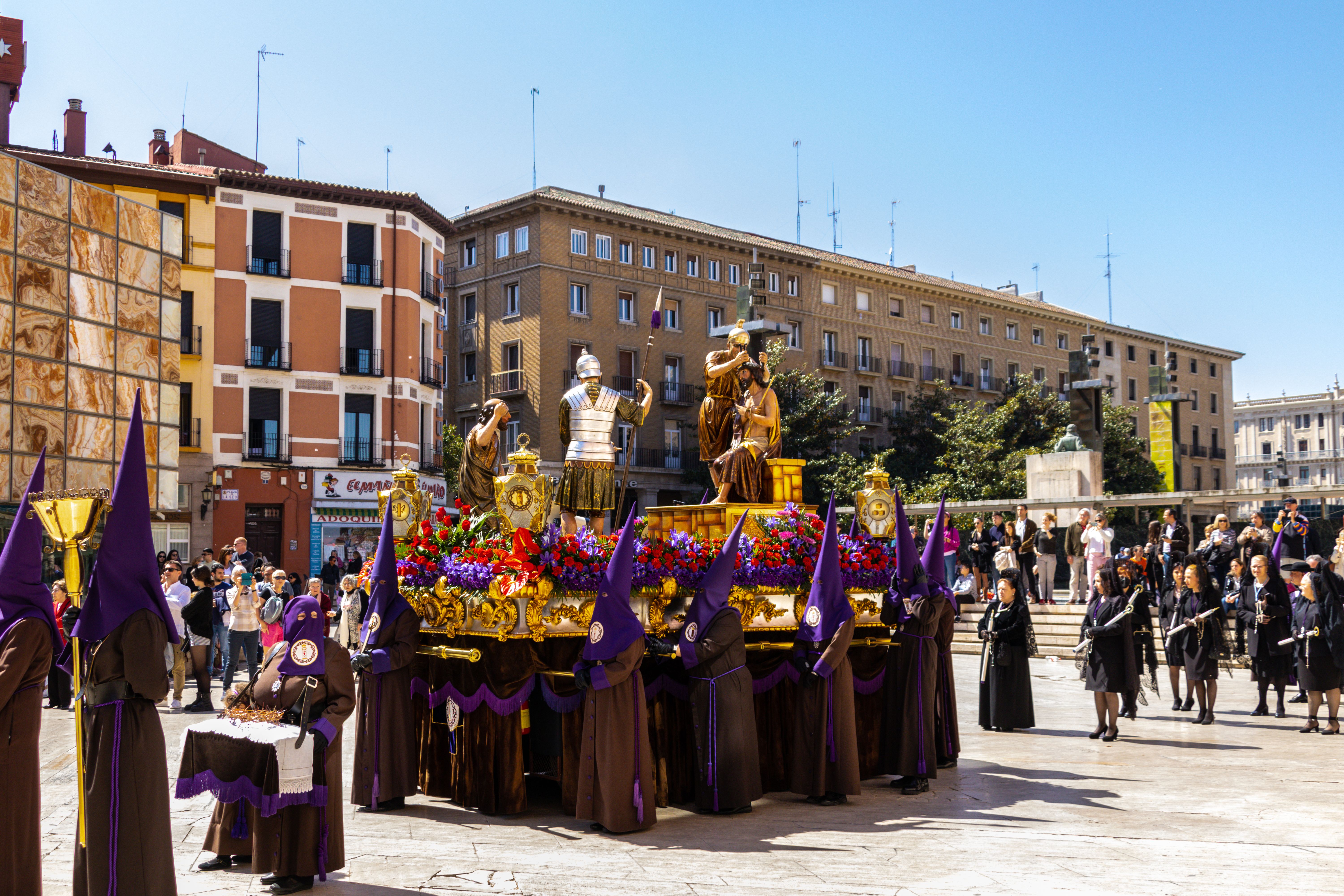
If you visit the week before Easter, Semana Santa, stay for it. Antigua's Holy Week processions are among the most visually dramatic religious observances in Latin America. Thousands of participants carry enormous floats through the streets while alfombras, intricate carpets made of coloured sawdust, flowers, and pine needles, are laid on the cobblestones ahead of the procession and destroyed by it.
The symbolism is intentional: the carpets represent the impermanence of beauty. Watching one being laid for hours, then absorbed into the procession in minutes, is one of those experiences that does not translate into photography.
Semana Santa is also Antigua's busiest travel period. Hotels often sell out months in advance, and room rates can double or even triple as demand peaks. Booking well ahead is essential, and using CoinBooking can help you secure accommodation early while accessing hotel rates that can be up to 30% lower than booking.com.
Practical Planning: What You Actually Need to Know
Travelling on the lower end of this range? Our guide to budget beach vacations that skip resort prices pairs well with Guatemala if you are stringing together a longer Central America route.
Getting There
Fly into La Aurora International Airport (GUA), Guatemala City. Antigua is approximately 45 minutes by road. Options from the airport:
- Uber: straightforward, approximately $18–$22 USD to Antigua city centre.
- Shared tourist shuttle: $10–$15 USD, runs multiple times daily.
- Private transfer: $40–$60 USD for door-to-door comfort.
Booking a room for the family or a mixed-age group? It is worth knowing the minimum age rules for reserving a hotel room before you arrive, since a booking alone does not guarantee check-in; your ID does.
Is Antigua Safe?
Antigua is one of Guatemala's safest destinations for international travellers. Tourist corridors, the historic centre, Cerro de la Cruz during daylight, and the main volcano trailheads with licensed guides pose standard travel risks. Guatemala City operates differently and requires more careful planning by zone. The road between Guatemala City and Antigua is well-travelled and generally safe during daylight.
In January 2026, Guatemala introduced temporary emergency security measures following incidents in the capital. Those measures were lifted in early 2026, and there are currently no nationwide emergency restrictions affecting tourist travel to Antigua. Travellers should still check the latest government travel advisories before departure.
Standard precautions: do not walk with valuables after dark. Use reputable transport, book volcano hikes with licensed operators only, and avoid Volcán de Agua hiking; that particular volcano is not recommended due to documented safety incidents on the trail. Reputable licensed guides will not take you there.
How to Book and Pay with CoinBooking?
Through CoinBooking, you can book your Antigua hotels, flights, and tours using Visa, Mastercard, Apple Pay, Google Pay, or 200+ cryptocurrencies, with prices that can be up to 30% lower than major booking platforms. If you'd rather leave the planning to someone else, eligible travellers can use CoinBooking Concierge to coordinate multi-day itineraries, volcano hikes, Lake Atitlán day trips, accommodation across multiple towns, and every other travel detail through a dedicated human travel professional. Planning your Antigua Guatemala trip? Join CoinBooking's early-access list with your email and claim $25 off your first booking, ready to use on your Antigua adventure.
Frequently Asked Questions
1. What is Antigua Guatemala best known for?
Antigua is best known for three things: its remarkably preserved Spanish colonial architecture (it is a UNESCO World Heritage Site), its position surrounded by active volcanoes including Fuego and Acatenango, and its world-class coffee culture rooted in the fertile volcanic soil of the surrounding highlands. It served as the capital of the Spanish colonial administration of Central America for over 200 years, which explains the scale and quality of its churches, convents, and civic buildings.
2. How many days do you need in Antigua, Guatemala?
Three full days cover the city, well walking the historic centre, one volcano day trip (Pacaya is ideal for a single day), a coffee farm tour, and time to simply exist in the city at its own pace. Five to seven days allows for an overnight Acatenango hike, a day trip to Lake Atitlán, the markets, cooking classes, and the kind of unplanned wandering that tends to produce the best memories. If you only have one day, prioritise the arch at dawn, a walking tour, and Cerro de la Cruz at sunset.
3. Is it safe to walk around Antigua Guatemala?
Yes, during daylight hours, the historic centre is safe for walking and exploring. Standard travel awareness applies: keep valuables out of sight, use ATMs inside banks or hotels rather than on the street, and take reputable transport for trips outside the city centre. After dark, stick to the main streets and well-populated areas. The tourist police maintain a visible presence in the centre. Do not attempt to hike Volcán de Agua; that trail has documented safety issues, and licensed guides will not take you there.
4. What is the best time to visit Antigua, Guatemala?
November through April is the dry season and offers the clearest conditions for volcano hikes and photography. December through February is the sweet spot: dry, mild, and before the North American holiday crowds peak. Semana Santa (the week before Easter) is spectacular but requires advance planning as hotels sell out and rates spike significantly. The rainy season (May–October) brings lower prices, greener scenery, and afternoon showers that typically pass within an hour or two.
5. Can you hike Acatenango without a guide?
Technically possible, but not recommended and increasingly restricted. The trail requires navigating multiple unmarked forks; altitude acclimatisation is non-trivial (the trailhead sits at roughly 2,400 meters and base camp at 3,600 meters), and camping equipment is essential for the overnight route. More practically: solo hikers on the trail have reported safety incidents, and the experience, including the campfire at base camp, the shared pre-dawn summit push, and the cooked meals, is meaningfully better with a good operator. Budget $50–$85 USD for a fully guided overnight trip with meals and gear. It is worth it.

Saira Parveen is a Dubai-based SEO content writer with a background in digital marketing and search visibility. She covers cryptocurrency adoption, travel booking with digital assets, and the practical side of spending crypto in everyday life.
Her work at CoinBooking focuses on helping readers navigate the intersection of crypto and travel, from finding the best rates on hotels and flights to understanding how to pay for travel with digital assets.
Found a hotel you like? Book it for up to 30% less

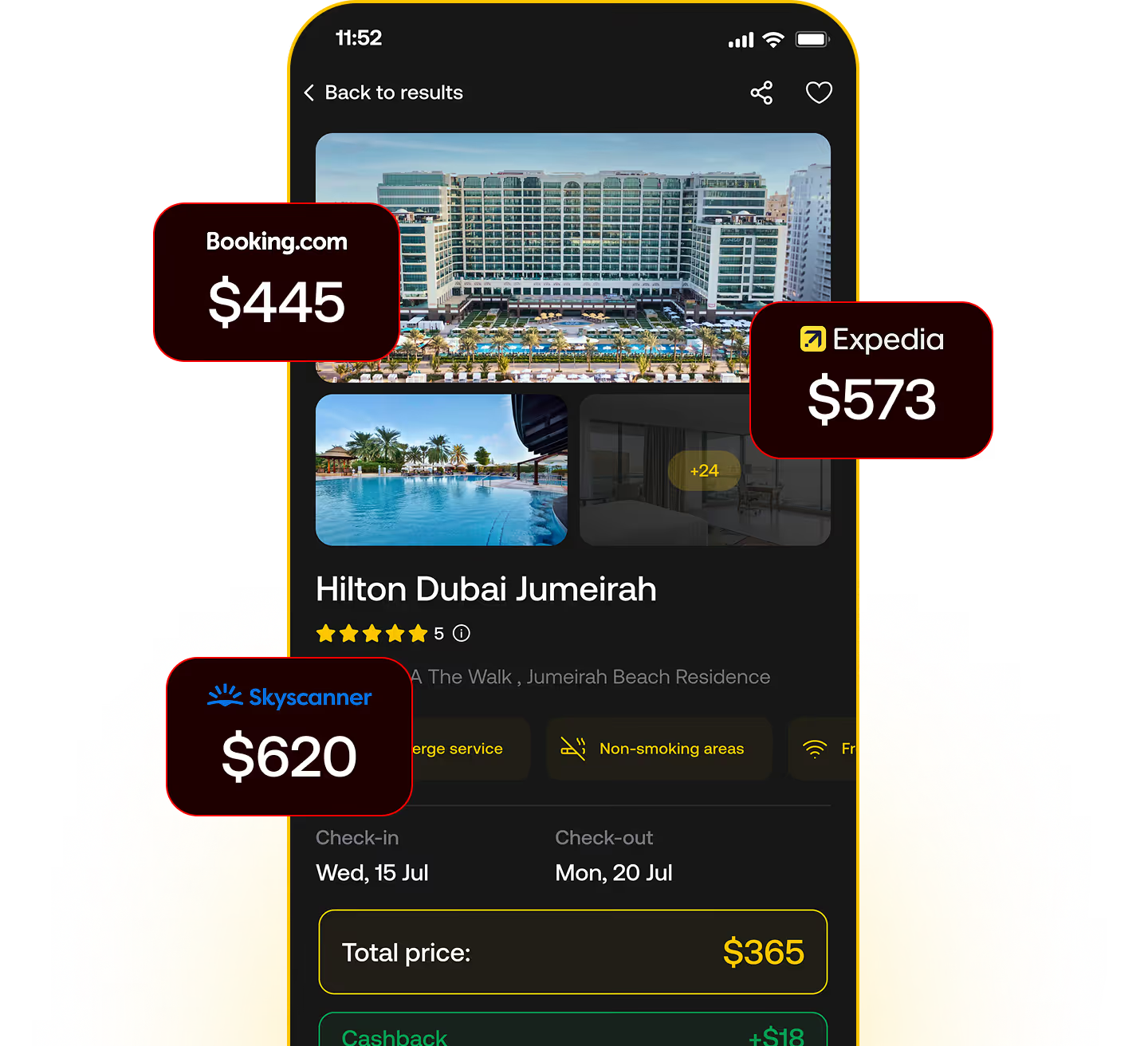
Found a hotel you like? Book it for up to 30% less